





Car rental in Italy
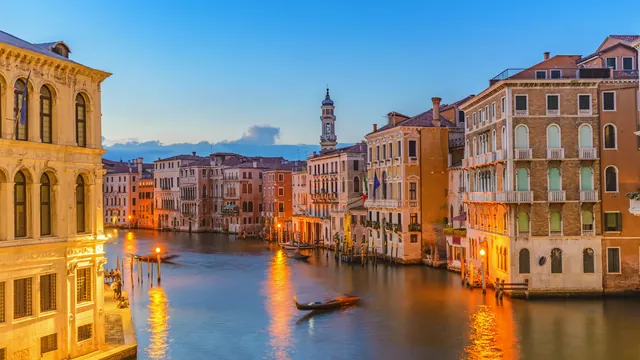
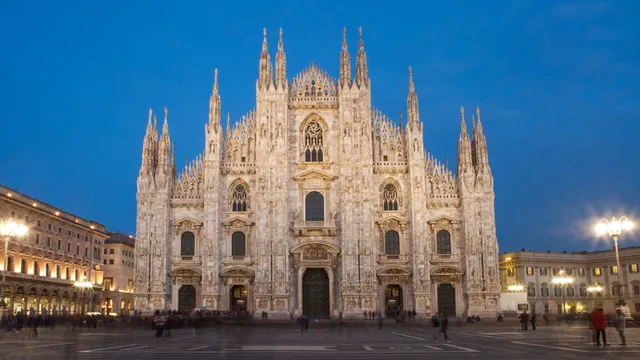
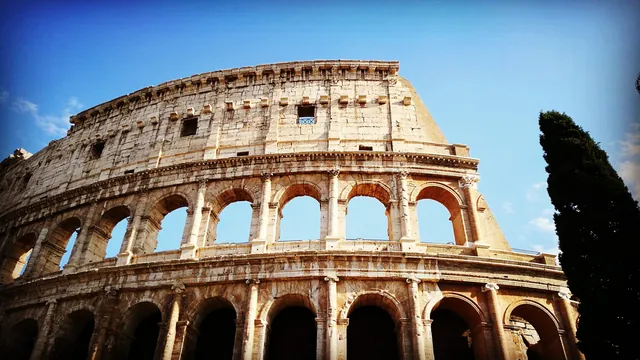
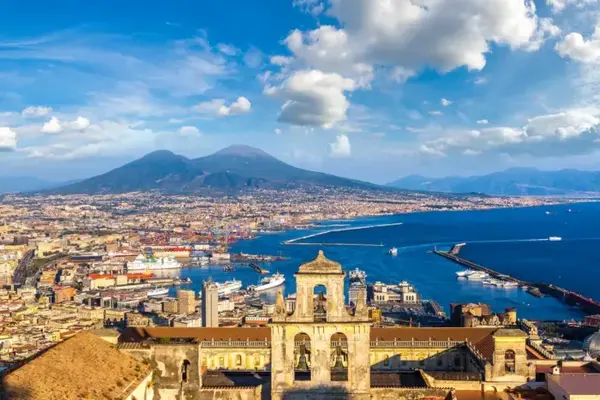
Italy is a country that attracts travelers from all over the world. Car rental will help you see Italian sights according to your own route and preferences without depending on tour agencies. The most acceptable option is to rent a car at the airport of the city you have arrived in. It is possible to rent a car in Venice, Milan, Rome and other cities.
The following companies operate in this country and rent out cars on favorable terms:
- Maggiore. This is a famous national car hire agency with a well-developed chain of rental stores throughout the country.
- Sixt, Hertz, Europcar, National and Avis. These are popular international companies that have gained a brilliant reputation for their perfect selection of cars in any class.
- Beres, Economy Car Rentals and Rentalcars. These are brokers that work in the car rental segment on favorable terms.
- Tuscia. At this company, you will be able to rent a car with a driver and enjoy your trip without denying yourself anything.
The Italian term for car rental is 'noleggio auto'. Thanks to the opportunities provided by the Internet, it is possible to book a car and choose a suitable option, such as a sedan, minivan, sport utility vehicle or executive car, beforehand. You can analyze all the options without leaving the house.
For example, the average rental cost of a C-class rental car with an insurance policy and an installed in-car navigation system is from 60 to 80 euros per day.
In order to hire a car, you need to have:
- A Russian or international driving licence.
- A bank card with enough funds for a deposit. The amount of the deposit is, as a rule, no more than 500 euros. The card standard must be no lower than Classic.
As for the terms, the strictest ones are offered by international companies, while regional agencies offer more flexible conditions. It is also necessary to point out that the deposit is returned within 2-4 weeks after you give the car back to the company. During this period, the car rental company receives fine notices if you have violated traffic regulations in Italy.
Average prices for car rental in Italy
The sum that makes up the car rental cost at Italian companies includes:
- Mileage, which is usually unlimited.
- Insurance package. The insurance policy covers such events as car theft, as well as cases when the car is damaged in a road traffic accident or by third parties. In most cases, an excess is stipulated in the insurance agreement.
- Local compulsory taxes.
You will need to make an additional payment for a child seat if you need one. The child seat is provided according to the age and weight of the child. You will also have to make an insurance payment for another driver if someone else is going to drive the rental car. The payment list also includes the in-car navigation system, which contains the latest map package for Italian roads.
In order to get the most acceptable rental cost, it is necessary to find a car hire company and choose a car a couple of months before your trip. The closer the date of your arrival in the country, the fewer chances you have of finding the necessary car at a low or even an average price.
| Category | 3 days' rental term | 7 days' rental term |
| Mini | 60-62 euros | 168-204 euros |
| Economy | 65-67 euros | 288-312 euros |
| Standard | 72-76 euros | 324-360 euros |
| Premium | 480-534 euros | 900-1080 euros |
| Wagon | 149-156 euros | 420-432 euros |
| Utility vehicle | 408-420 euros | 780-900 euros |
| Shelter carrier | 840-900 euros | 1680-1800 euros |
The final rental cost will also depend on the availability of additional devices. The price will also be affected by such factors as:
- Mileage. There is a substantial distinction between unlimited and limited mileage. In the second case, you have to make an additional payment if you exceed the mileage limit.
- Amount of fuel in the fuel tank. According to the main rule, when you give the car back, there should be as much fuel in the tank as there was when you rented the car. As a rule, the tank should be full.
- Age limit. Some Italian companies have age limits. You will have to pay up to 20 euros per day if the conditions apply.
- Another driver. This paragraph of the agreement will also increase the rental cost by up to 20 euros per day.
Important! In order to travel around Italy in a premium-class car, you need to have at least 3 years' driving experience.
Road traffic regulations and speed limitations
The road traffic regulations in Italy are called 'codice della strada'. These regulations are just a little bit different from the Russian ones. The main difference lies in the fact that Italian drivers do not break the regulations irrespective of being very emotional and having a specific driving style. There is one more piece of advice. If you have violated the regulations, do not try to come to an arrangement with the authorities. This attempt may result in rather bad consequences.
Speed limits in the country are reasonable and widely known:
- The speed must not exceed 50 km/h in cities.
- You must not drive faster than 90 km/h on secondary roads outside built-up areas.
- The speed on main roads outside built-up areas must not be more than 110 km/h.
- You can drive as quickly as the wind on motorways. However, the speed must not exceed 130 km/h.
There are also additional regulations peculiar to Italy in particular:
- If you drive a car outside built-up areas, you need to switch on the headlights. Motorcyclists must switch on the headlights all the time.
- It is forbidden to use a mobile phone. If you wish to carry on a conversation, you need to have a hands-free device.
- Limited access zones, which are called 'zona traffico limitato', are closed to the majority of drivers. If you want to drive through these zones, you need to have a pass.
*For your reference: there are such zones in all large Italian tourist cities, such as Rome, Florence, Venice, Genoa, Naples and Pisa.
Fines you will have to pay in Italy
If you have violated the road traffic regulations, you will have to pay a fine. You are not recommended to try to avoid this unpleasant procedure. Some roads are equipped with cameras, and fine notices for traffic violations are sent to the car hire company. It is often possible to pay a ticket issued by a police officer directly at the scene.
| Violation | Sum of fine |
| Speed infringement | From 42 to 3,382 euros |
| Reversing on a motorway or bridge | 389 euros |
| Improper overtaking | From 74 to 150 euros |
| Unbuckled seat belt | From 83 to 332 euros |
| Talking on a mobile phone without a hands-free device | From 250 euros |
| Driving into a restricted-traffic area | From 100 euros |
Important! Concerning the driver's blood alcohol level, it is regulated by rather strict laws. The general blood alcohol limit is 0.5 permille; for people younger than 21 and drivers with less than 3 years' experience it is 0 permille. The rate for drivers who have C, D and E categories is 0% permille.
What should you know about insurance?
There is no car hire company that will rent out a car without an insurance policy. The main difference lies in the number of insurance risks, the presence or absence of an excess, as well as in other insurance conditions. The local population's driving habits and attitude towards cars make it possible to identify a specific pattern. It is practically impossible to return a rental car without at least slight damage.
As a rule, a tourist who is going to rent a car should know about such insurance types as:
- CDW (Collision Damage Waiver). This is insurance against damage to a car. This type of insurance is extremely relevant in Italy. Sometimes, this insurance line is called LDW, which means Loss Damage Waiver. This is the main insurance type, which practically always includes an excess.
- TP (Theft Protection) or TI (Theft Insurance). This is an anti-theft insurance package, which is in good demand in Italy. In other, quieter European countries, it is not so relevant.
- PAI (Personal Accident Insurance). This package covers accidents.
- TPL (Third Party Liability Insurance). This insurance line is actually the same as the compulsory third-party car insurance popular in Russia.
When choosing an insurance package, you need to pay special attention to an excess. An excess makes the insurance package more profitable for the user. The issue is not the sum you will pay if an insured event occurs. The absence of an excess, or a zero excess, is not the most beneficial option. Zero excess is called Super CDW (SCDW), Full Collision Damage Waiver (FDW, FDCW) or SuperCover. It makes the insurance package more expensive than usual. This is because it requires a calculation of profitability for every customer.
If you take out an insurance policy with our company, you have an opportunity to avoid additional expenditures. When you get a car on site, take into account that you may be offered an additional package. However, if you have an insurance policy taken out with our company, you do not need any others.
Where to fill a car and how much it costs
Cars rented out in Italy are usually filled with 95-octane petrol, 98-octane petrol or diesel fuel. Fuel stations that work 24 hours a day can by no means be found everywhere. When planning to drive around Italy, especially in the countryside, please take this fact into account. Concerning the cost of fuel, Italy is considered the most expensive European country. One litre of 95-octane petrol costs 2.02 euros and the price for one litre of diesel fuel is 2.24 euros.
Fuel stations generally display the following information:
- 'Aperto', which means 'Open'.
- 'Chiuso', which means 'Closed'.
Car parks and toll roads in Italy
Car parks are a serious problem in the majority of Italian cities. When booking a hotel, it is necessary to learn whether it has its own car park beforehand. Otherwise, you will have to search for a parking space for a rental car somewhere nearby. Free parking lots are situated in the centers of some cities. They are usually brightly marked with white traffic lines painted straight on the road. However, you need to learn as much information about a free car park as possible beforehand. This is because a free parking lot can be earmarked for local citizens only. Car parks for the disabled are marked with yellow traffic lines. Paid parking lots have blue traffic markings. Payment is made by buying a ticket at a parking meter. It is necessary to put the ticket under the windscreen. There is also another option. You can purchase a 'disco orario'. This is a special card with a disk on which you can indicate the time you have paid to park your car in one or another part of the city.
There is a general rule for Italian cities. The closer the center of the city is, the more difficult it is to find a parking space and the higher the cost of the car park is.
Another point you need to pay attention to is toll roads. The average cost is nearly 7 euros per 100 kilometers. The toll rate is calculated depending on the type of car. It is possible to pay both in cash and by credit card. The tunnels stand apart. You are always obliged to pay for driving through a tunnel. However, the cost of driving through tunnels is different. Some highways are closed from November till May.
Illegal parking will definitely result in a fine. You are not recommended to hope against hope. It is better to pay for parking at once than pay a fine afterwards.